

فیلم1967
The Jungle Book
کتاب جنگل
- TMDB
- 7.3/ 106.8K رأی
- محبوبیت در آخرینفیلم
- 1199از 2553 فیلم
- مدت زمان
- 78 دقیقه
- ردهی سنی
- G
داستان از چه قرار است؟
«موگلی» پسر بچهای است که در جنگل و میان حیوانات بزرگ شده است. وقتی خبر بازگشت ببر درندهی جنگل، «شیر خان»، میرسد، پلنگی به نام «باگیرا» داوطلب میشود که «موگلی» را برای فرار از جنگل و پیوستن به آدمها همراهی کند…
ارزش تماشا داشت؟
امتیاز کاربران آخرینفیلم
هنوز کسی امتیاز نداده — اولین نفر باش.
تریلر
از یوتیوب پخش میشه؛ در ایران ممکنه بدون فیلترشکن باز نشه.
اطلاعات اثر
- کشور
- ایالات متحده
- سال انتشار
- 1967
- زبان
- انگلیسی
- مدت
- 78 دقیقه
- امتیاز TMDB
- 7.3 / 10
- تعداد رأی (TMDB)
- 6.8K
- امتیاز کاربران آخرینفیلم
- —
- کارگردان
- Wolfgang Reitherman
- ردهی سنی
- G
بازیگران و نقشها
کجا ببینم
در سرویسهای ایرانی
اینها جستوجوی نام فیلم در هر سرویساند، نه تأیید اینکه پخشش میکنند.
خارج از ایران
اشتراکی یا رایگان
 Disney Plus
اجاره
 Amazon Video
 Apple TV Store
 Google Play Movies
 YouTube
دادهها از JustWatch
محتوای مرتبط با فیلم
همهی فیلمهای شبیه این 7.3/10رابین هود1973انیمیشن، خانوادگی
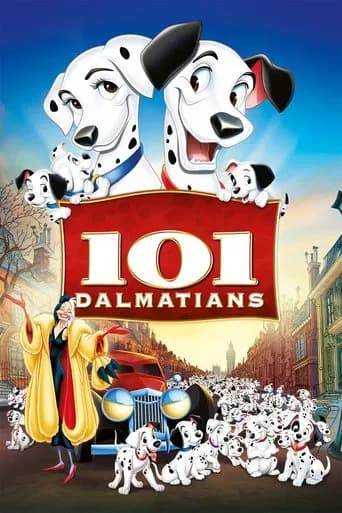 7.2/10صد و یک سگ خالدار1961ماجراجویی، انیمیشن
 7.3/10گربه های اشرافی1970انیمیشن، کمدی
 7.2/10شمشیر در سنگ1963انیمیشن، خانوادگی
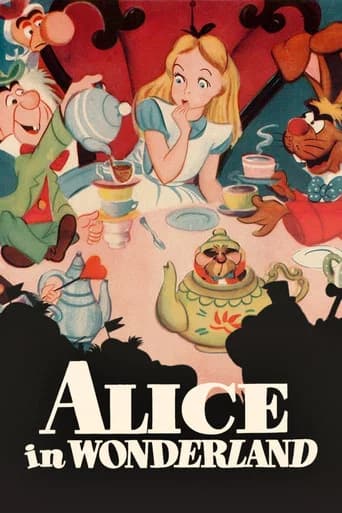 7.2/10آلیس در سرزمین عجایب1951انیمیشن، خانوادگی
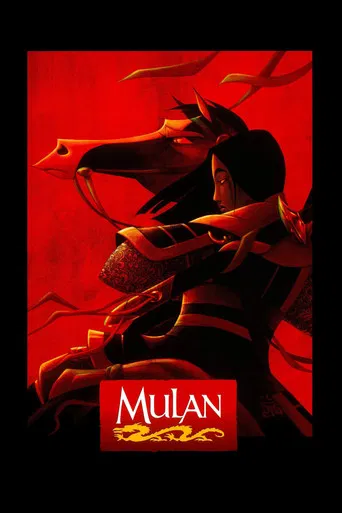 7.9/10مولان1998انیمیشن، خانوادگی
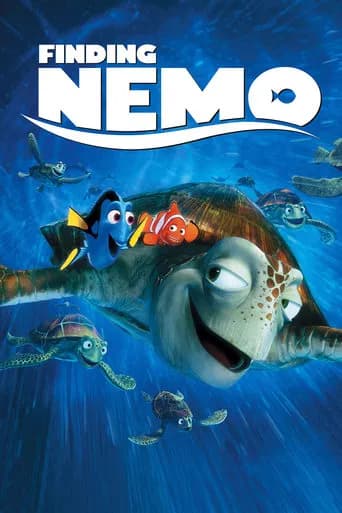 7.8/10در جستجوی نمو2003انیمیشن، خانوادگی
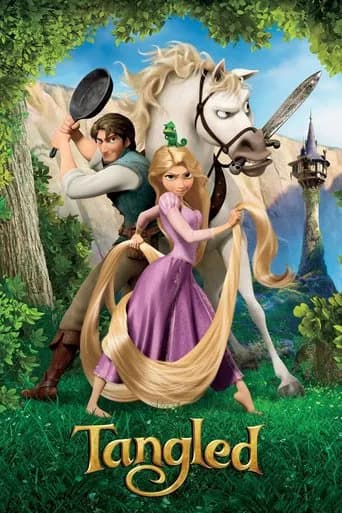 7.6/10گیسوکمند2010انیمیشن، خانوادگی
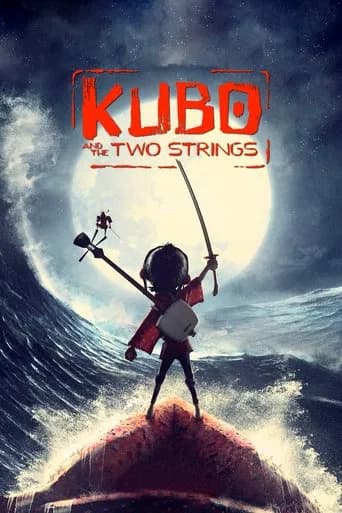 7.6/10کوبو و دو تار2016انیمیشن، ماجراجویی
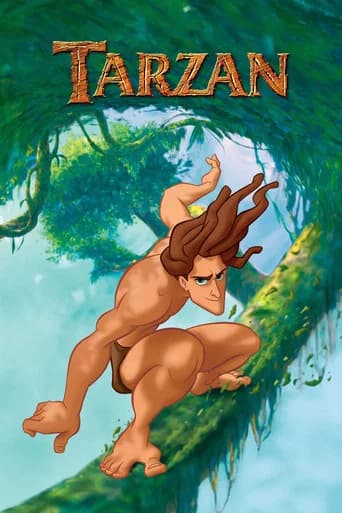 7.4/10تارزان1999انیمیشن، خانوادگی
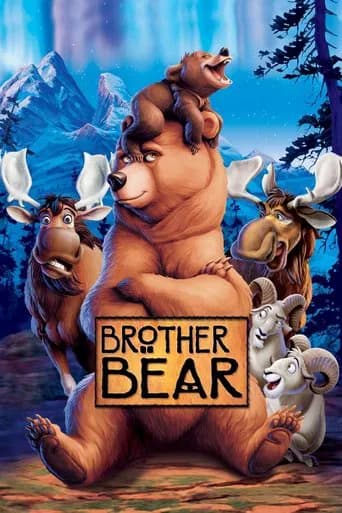 7.3/10خرس برادر2003ماجراجویی، انیمیشن
 7.3/10موفاسا : شیرشاه2024ماجراجویی، خانوادگی
 8.9/10جا به جا شده2026ماجراجویی، انیمیشن
 7.0/10در جستجوی دوری2016ماجراجویی، انیمیشن
گفتوگو دربارهی اثر
نقدهای TMDB
نقدهای انگلیسیزبانِ کاربران TMDB، همونطور که نوشته شدهاند.
نقدها از TMDB
- CinemaSerf7 از 10
This has probably the most perfect balance of story and soundtrack of any film I've ever seen - animated or otherwise. Adapting Rudyard Kipling's tale of "Mowgli" the child abandoned in the Indian jungle, but rescued and raised by a family of wolves. "Bagheera", the sagacious panther realises as the boy starts to grow to manhood, that he ought to return to his own kind but "Baloo", the avuncular bear thinks otherwise and so takes our young man-cub on some fun adventures in the jungle - including some near-misses with the wonderfully menacing, sardonic tiger "Shere Khan" and "Kaa" the hypnotic python. The voice cast - especially Phil Harris as the bear and George Sanders as the tiger are great; Louis Prima as "Louie" the King of the Apes provides us with one of the best songs ever to feature in a Disney film - and the Sherman brothers provide a great slew more of them for us to enjoy, too. The detail in the animations and the humour in the script are super - this really is a must watch.
- Kamurai6 از 10
Good watch, might watch again, and can recommend if you've seen any other version or are looking for a writing analysis. During a lot of the movie, I was kind of in nostalgia mode, remember things I saw / felt when I was a kid, just sort of enjoying the way back machine experience. It wasn't until almost the very last scene that it clicked how good the writing is in this. I know this is known for the excellent animation styling, the catchy tunes, and charming coming of age semantics, but this uses several strong formulas that have been used since Aesop's fables. And that's what made me realize the writing quality, I felt as if I was watching an on fable with moral lessons of consequence. Up until that point I was mentally preparing how this 1967 animation is actually a perfect metaphor for 2020 entitled child entering the real world: never being told no, even to the threat of great, potentially lethal, loss because even in the face of danger, they've been taught that they deserve, even in the logic that it can't be true on both sides though both believe that. Hmmm, that sounds a lot like religious war. Digressing back to the writing: Mowgli embodies naivety, narcissism, entitlement, whatever you would like to call as he's a victim / ward of extreme chances of compassion: he just happens to luck into survival wherever he goes. While Tarzan makes more sense, this is character development for the series of situations (each one their own potential fable) with the main character shifting to and fro from Bagera to Mowgli to Balloo, each one being taught lessons as the adventure continues. With the representation of the jungle and the adversities that Mowgli faces, Mowgli slowly learns what Bagera and Baloo both know: most people are only interested in their own interests, but sometimes those that have enough can be in a position to help others. The xenoism (racism) that Sher Khan has for Mowgli as a human is enough for these predators give up his companionship to help him to the man-village. The really odd lesson is that Mowgli embraces the self-interest needed in the jungle, despite dialogue to the contrary.