فیلم1965
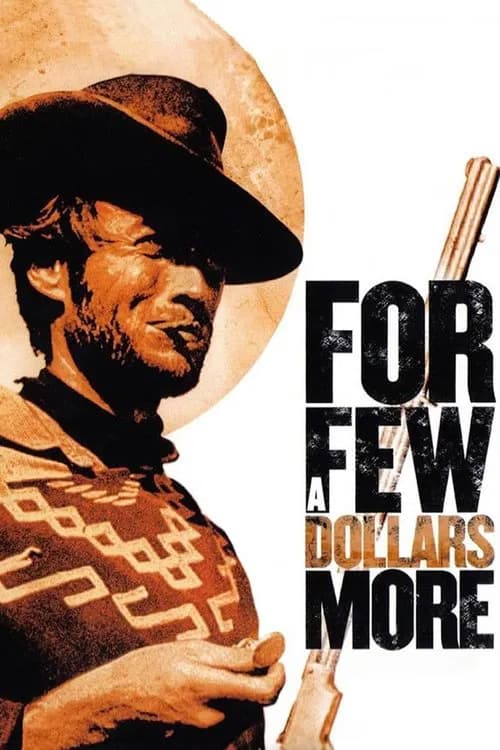
For a Few Dollars More
برای چند دلار بیشتر
- TMDB
- 8.0/ 104.6K رأی
- محبوبیت در آخرینفیلم
- 1152از 2553 فیلم
- مدت زمان
- 132 دقیقه
- ردهی سنی
- R
داستان از چه قرار است؟
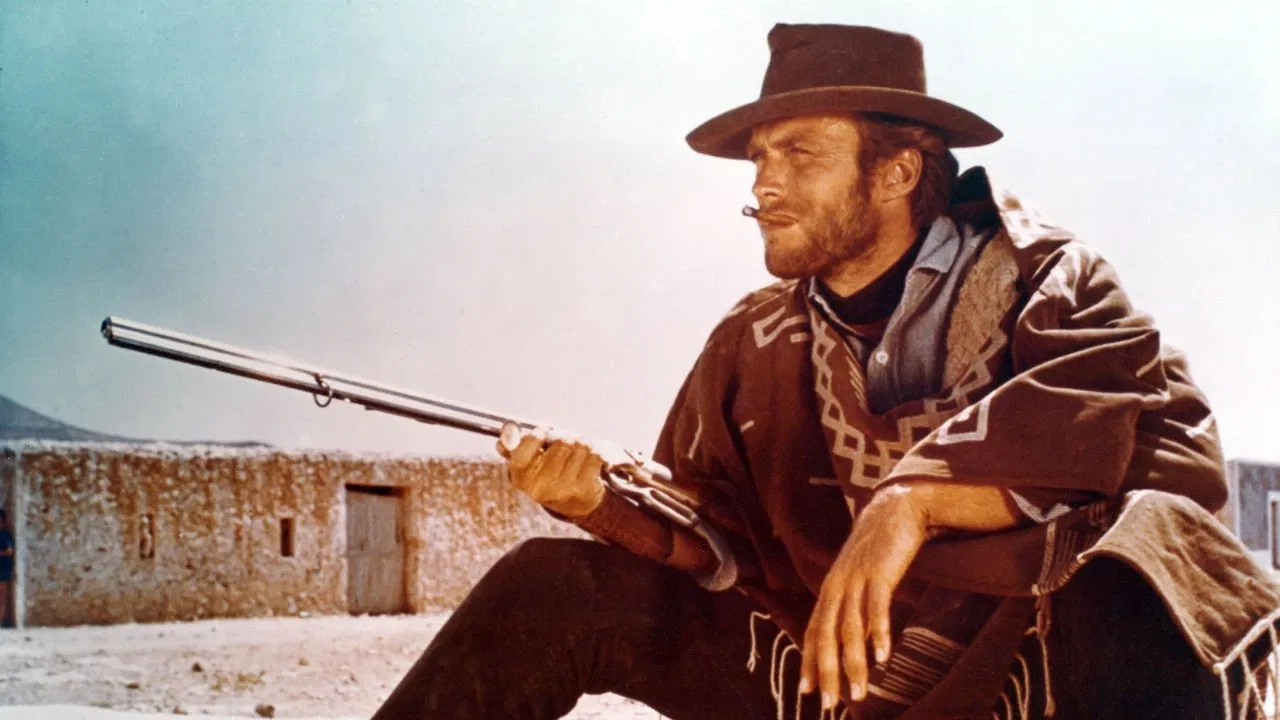
دو جایزه بگیر و ماهر و چیره دست به دنبال یاغی فراری که برای سر او جایزهای تعیین شده هستند. این دو برای بهدست آوردن تمامی جایزه علاوه بر مبارزه با فراری باید از پس همدیگر برآیند که در این راه...
ارزش تماشا داشت؟
امتیاز کاربران آخرینفیلم
هنوز کسی امتیاز نداده — اولین نفر باش.
تریلر
از یوتیوب پخش میشه؛ در ایران ممکنه بدون فیلترشکن باز نشه.
اطلاعات اثر
- سال انتشار
- 1965
- ژانر
- وسترن
- زبان
- ایتالیایی
- مدت
- 132 دقیقه
- امتیاز TMDB
- 8.0 / 10
- تعداد رأی (TMDB)
- 4.6K
- امتیاز کاربران آخرینفیلم
- —
- کارگردان
- سرجیو لئونه
- ردهی سنی
- R
بازیگران و نقشها
کجا ببینم
در سرویسهای ایرانی
اینها جستوجوی نام فیلم در هر سرویساند، نه تأیید اینکه پخشش میکنند.
خارج از ایران
اشتراکی یا رایگان
 fuboTV
 MGM+ Amazon Channel
 The Roku Channel
 MGM Plus Roku Premium Channel
 Kanopy
 Fandango at Home Free
اجاره
 Amazon Video
 Apple TV Store
 Google Play Movies
 YouTube
دادهها از JustWatch
محتوای مرتبط با فیلم
همهی فیلمهای شبیه این 7.7/10سرت را بدزد، احمق!1971وسترن
 8.8/10خوب، بد، زشت1966وسترن
 7.8/10به خاطر یک مشت دلار1964وسترن
 7.9/10نابخشوده1992وسترن
 8.3/10روزی روزگاری در غرب1968درام، وسترن
 8.4/10روزی روزگاری در آمریکا1984درام، جنایی
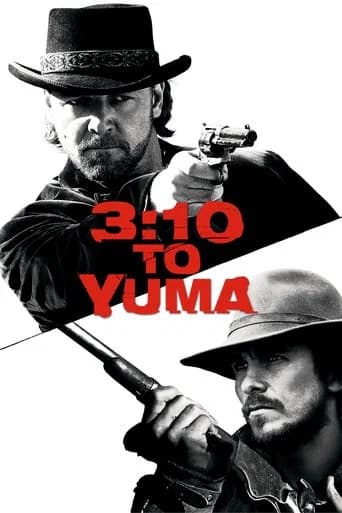 7.2/10۳:۱۰ به یوما2007وسترن
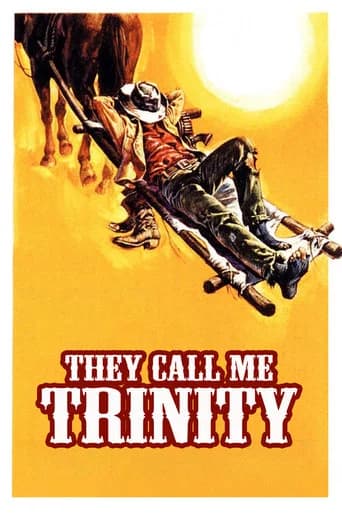 7.5/10به من میگویند ترینیتی1970اکشن، کمدی
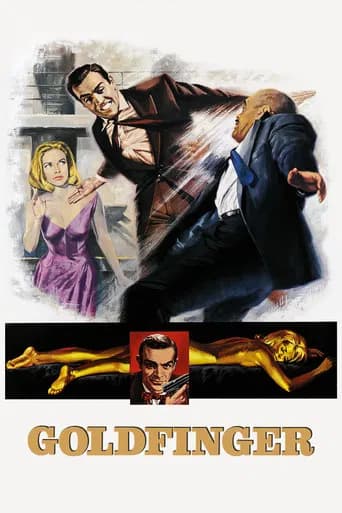 7.4/10پنجه طلایی1964ماجراجویی، اکشن
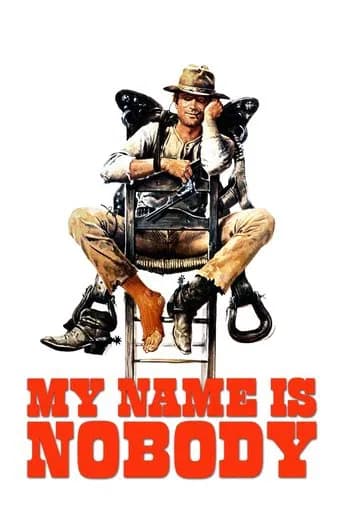 7.3/10اسم من هیچکس1973کمدی، وسترن
 9.0/10۱۲ مرد خشمگین1957درام
 7.4/10تکتیرانداز آمریکایی2014جنگی، اکشن
 8.4/10جانگوی رها از بند2012درام، وسترن
 8.3/10شمال از شمال غربی1959هیجانانگیز، ماجراجویی
گفتوگو دربارهی اثر
نقدهای TMDB
نقدهای انگلیسیزبانِ کاربران TMDB، همونطور که نوشته شدهاند.
نقدها از TMDB
- John Chard9 از 10
I was worried about you - all alone, with so many problems to solve... The middle part of Sergio Leone's dollars trilogy sandwich is a mighty hunk of meat and pasta. Plot has Clint Eastwood and Lee Van Cleef as bounty hunters who form a very uneasy alliance to bring down violent bandit El Indio (Gian Maria Volontè) and his gang. As befitting Leone in this sub-genre, the pic positively oozes charisma and class. His compositions are as striking as the coolness he wrings out from his lead actors, the characterisations bristling with a calm grizzle factor that beguiles as the story jumps from violence to suspense, from humour to misery, with surprises is store as well. The screenplay adheres to some clichés of the Western formula, but never at a cost to suspense and mystery, such as with the finale that looks set to be formulaic, but joyfully brings its own identity whilst simultaneously adding extra layers to the protags and antag. The dialogue (Leone and Luciano Vincenzoni) pings with literacy, something which is a pleasant mercy in the Spaghetti Western world, while Morricone fills the key scenes with aural shards of atmospheric delight. A great film in its own standalone right, but also a super precursor to The Good, the Bad and the Ugly. 9/10
- r96sk9 از 10
I'd rank it slightly below the original, but that's unimportant as <em>'For a Few Dollars More'</em> is still a lot of fun. Clint Eastwood is tremendous again as the lead character, while Gian Maria Volonté reappears as a different character - usually I'm not a fan of actors playing different characters in a series, but I must make an exception here as Volonté is terrific; just as he is in the preceding 1964 film. One newcomer to the cast is Lee Van Cleef, who is brilliant too. A story regarding bounty hunting was always going to be enjoyable, which is most definitely the case here. The aforementioned trio are massively entertaining. I particularly found the ending to be one of the best parts of this. I was excited to check out <em>'The Good, the Bad and the Ugly'</em> even prior to watching the first two films, given it's the one I knew most of beforehand, but its two predecessors really have wet the appetite and then some!
- dfle38 از 10
A spaghetti Cornetto trilogy? 75+% A lone man on horseback is seen travelling slowly towards us from a distance. Soon there is a seemingly senseless act of violence. It isn’t clear to me whether this ‘loose end’ is resolved later on in the film or whether it mainly functions as worldbuilding, for the benefit of the viewer, letting them know how little value human lives have in this place. After the opening credits follow on from this, the film proper begins. We see two men in a train carriage. The face of one is obscured as they are reading the Holy Bible, according to the text on it. We come to know the man with the obscured face as the film unreels. Not really having read any reviews or such like of this film, I wonder if I am the only person to ponder at the end of this man’s journey whether that introduction to him was in earnest or ironic. It’s perhaps hard to tell. After all, Americans see no tension between loving Jesus and loving money, as the ‘prosperity gospel’ theology attests. The main story concerns two independent bounty hunters in America’s frontier, near Mexico. There is uncertainty as to how the two bounty hunters (the film uses the term “bounty killer”) chasing the same bounties will play out. Is conflict inevitable between them? We have a sense of when all this action takes place, as, at a later point in the film, one of the minor characters is part of a humorous scene where we can see the disruptive influence of the recently introduced passenger train service to the region. The early action of the film put in mind video games for me, with how some action games might have small bounties for the player to chase when they first start and increasing in size as the gamer becomes more proficient at taking on their targets and seeks larger rewards to gain better equipment or what have you. As the bounties in the film increase in size, they seem to correlate with “on rails” video games. In other words, I found this film to have more of a sense of linearity to it than its predecessor, “A fistful of dollars”. One of the bounty killers looks familiar for those who have seen “A fistful of dollars”. It’s the character played by Clint Eastwood. So, obviously, there is a physical resemblance of the two characters and perhaps they even dress identically. However, to me they seemed two different characters, as in it’s not the same person. As I mentioned in my review of the earlier film, Eastwood’s character had a playful aspect to him there. In this next film in the sequence, though Eastwood’s character is not exactly humourless, his humour is more wry or sardonic. No, that doesn’t quite capture what I’m wanting to say here. In the first film, ‘Squint’ Eastwood was playful and he shared that quality with at least one other character (I have in mind the ‘hanging around’ scene), whereas in this film Eastwood’s character plays his cards held tightly to his chest. In other words, he is amused by some things but is not letting on to anyone else that he is (I have in mind the scene I mentioned earlier, with the minor character talking about the impact of the introduction of trains on him). Wikipedia mentions these first two films being part of a trilogy: “The dollars trilogy” or “The man with no name trilogy”. Since I don’t find myself considering the Clint Eastwood character in both films that I’ve seen so far to be the same person, I’m leaning towards taking these films as being like “The Cornetto trilogy”, in that they are three unrelated films with the same principle actors and loosely bound together. I have to admit to being totally clueless about this “Cornetto trilogy”, despite having seen the first two: “Shaun of the dead” and “Hot fuzz”. Apparently all three films make passing mention of Cornetto ice creams. That is what makes them a ‘trilogy’. Perhaps Clint Eastwood’s poncho is Sergio Leone’s Cornetto counterpart? Maybe the third film in this ‘trilogy’ will prove me wrong but it doesn’t seem…
- CinemaSerf7 از 10
"El Indio" (Gian Maria Volontè) is a bank robber being hunted by poncho-clad bounty hunter “Mandi” (Clint Eastwood]. Meantime, Lee van Cleef’s debonair “Col. Mortimer" is also on the trail of our bandito and his gang, so the unlikely pair form an uneasy partnership in order to track him down and share the bounty. This most certainly ain't a film about trust - it's about greed, pure and simple and is great! It’s a bit of a slow burn - nothing happens very quickly, but that all adds bundles to the atmosphere and tension of the story. That said, it sure isn't dull: there is still plenty of gun fighting, fisticuffs and general nastiness as well as some clever, black, humour and a wonderfully evocative score from Ennio Morricone that gets us to the inevitable series of single, double and even triple crosses. I don't think it has quite the menace or grittiness of "A Fistful of Dollars" (1964) but it's is still a tautly directed, character-driven western with a plot riddled with twists.
- drystyx2 از 10
This is a waste of some wit. Of the dollar trilogy, this one had some wit to it, but it's wasted. There's an ongoing weird counting that the bounty hunters perform, which finally makes sense in the end. There's an interesting bit about the chimes, and drawing when the chime ends. And we get a name for No Name. But it's wasted on a movie that Leone made during what must have been the days when he really hated some brunette who scorned him. He spends most of the movie contriving so many ways to kill brunettes that he obviously is seeking a Nazi merit badge. He stopped worshiping Adolf and Eva soon after the dollar trilogy, though. There's no way to get past his Nazi ideology in this movie, and it ruins the movie. Not to mention the lack of credible characters and lack of credible motivation. Again, it's a case of everyone in the West is either a homicidal maniac or the first victims of homicidal maniacs, no exceptions. The weakest part, and part that makes anyone with an IQ over 15 groan, is that Leone is not subtle about his message that the more of a homicidal maniac a man is, the more of a demigod he is, and more immortal he is. Only another demigod can kill a demigod, and only a homicidal maniac can be a demigod. It appears the only way to be a god is to be the biggest homicidal maniac. If everyone was like this, there would be no one left to be like this. A waste of wit, which is bad, because this is the only one of the Leone Westerns which made any attempt at wit.