

فیلم1968
2001: A Space Odyssey
۲۰۰۱: اُدیسهی فضایی
- IMDb
- 8.3/ 1013K رأی
- محبوبیت در آخرینفیلم
- 329از 2553 فیلم
- مدت زمان
- 149 دقیقه
- ردهی سنی
- G
داستان از چه قرار است؟
بشریت به شیء مرموز و قیمتی در زیر سطح ماه که توسط کامپیوتر هوشمند H.A.L. 9000 در حال ماموریت کشف می شود، بر میخورد...
ارزش تماشا داشت؟
امتیاز کاربران آخرینفیلم
هنوز کسی امتیاز نداده — اولین نفر باش.
تریلر
از یوتیوب پخش میشه؛ در ایران ممکنه بدون فیلترشکن باز نشه.
اطلاعات اثر
- سال انتشار
- 1968
- زبان
- انگلیسی
- مدت
- 149 دقیقه
- امتیاز IMDb
- 8.3 / 10
- تعداد رأی (TMDB)
- 13K
- امتیاز کاربران آخرینفیلم
- —
- کارگردان
- استنلی کوبریک
- نویسنده
- استنلی کوبریکآرتور سی. کلارک
- ردهی سنی
- G
- مجموعه
- The Space Odyssey Series
بازیگران و نقشها
کجا ببینم
در سرویسهای ایرانی
اینها جستوجوی نام فیلم در هر سرویساند، نه تأیید اینکه پخشش میکنند.
خارج از ایران
اشتراکی یا رایگان
 HBO Max Amazon Channel
 HBO Max
اجاره
 Amazon Video
 Apple TV Store
 Google Play Movies
 YouTube
دادهها از JustWatch
محتوای مرتبط با فیلم
همهی فیلمهای شبیه این 8.2/10پرتقال کوکی1971علمی-تخیلی، جنایی
 7.9/10اسپارتاکوس1960تاریخی، درام
 8.4/10دکتر استرنجلاو یا: چگونه یاد گرفتم دست از هراس بردارم و به بمب عشق بورزم1964کمدی، جنگی
 7.6/10برخورد نزدیک از نوع سوم1977علمی-تخیلی، درام
 8.4/10درخشش1980ترسناک، هیجانانگیز
 7.7/10سیارهی میمونها1968علمی-تخیلی، ماجراجویی
 8.3/10غلاف تمام فلزی1987درام، جنگی
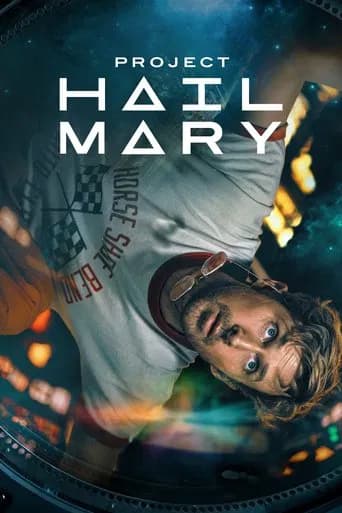 8.6/10پروژه هیل مری2026علمی-تخیلی، ماجراجویی
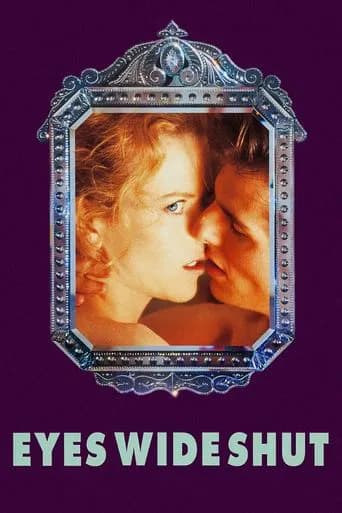 7.5/10چشمان کاملاً بسته1999درام، هیجانانگیز
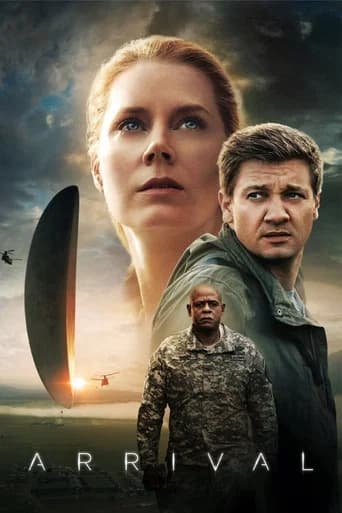 7.9/10ورود2016درام، علمی-تخیلی
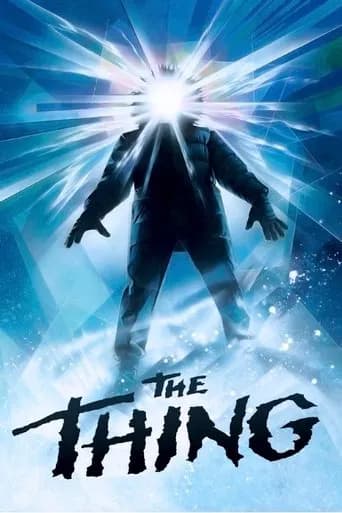 8.1/10موجود1982ترسناک، معمایی
 8.5/10بازگشت به آینده1985ماجراجویی، کمدی
 7.9/10ای.تی. موجود فرازمینی1982ماجراجویی، علمی-تخیلی
 8.1/10استالکر1979علمی-تخیلی، درام
گفتوگو دربارهی اثر
نقدهای TMDB
نقدهای انگلیسیزبانِ کاربران TMDB، همونطور که نوشته شدهاند.
نقدها از TMDB
- Sigeki Ogino
I saw it for the first time when I was in middle school. I thought it was the worst movie ever. Then, some time later, as an adult, I rewatched it and was amazed at how wonderful it was. It was so beautiful and magnificent that I could not believe it was made in 1968, and I thought it was an unprecedented and solemn historical work, like Goethe's "Faust" in literature, one of the greatest masterpieces of cinema that mankind has ever possessed. First of all, it is a film in which dialogue is reduced to the utmost limit, and even if it had been in black and white, I could have watched it ten times without getting tired of it, regardless of whether I could have endured the "silence. It's Kubrick's magic that you can watch this film without any annoying sound effects like in "Jaws" but with classical music and with your heart rate regulated like in Charlie Chaplin's silent films. I don't know how well this film was received in the U.S. at the time, but in Japan, many people shy away from it, saying it is difficult to understand.
- jc2try
It's not for general entertainment and the audience is movie industry/enthusiasts. Movie critics and the people find effort to leave a review for it happen to be in the niche, therefore it has a high score. Sure, it this movie might have made some breakthrough in the industry. But I, like other general audience, didn't find it greatly entertaining.
- CinemaSerf
From the opening bars of Richard Strauss's "Also spracht Zarathustra" you just know that this is going to be something unique - and that it is. Apes, playing by a puddle - occasionally engaging in some noisy territorial warfare with their neighbours until one morning, this great black monolith appears. Shortly afterwards these creatures have realised that old bones make new weapons - and that these weapons can kill! The next phase jumps forward four million years later to a mission to Jupiter where a crew of five astronauts under the helpful gaze of their "HAL" computer are making their way across space. Two of them: "Poole" (Gary Lockwood) and "Bowman" (Keir Dullea) are not in hibernation and are regularly engaging with there outwardly affable digital companion. It doesn't take the humans long to conclude that "HAL" might be both malfunctioning and malevolent, and all of a sudden the life of all the people on board becomes precariously balanced. Is "HAL" malfunctioning, or is it fulfilling it's programming and the crew are just not read in? What might that objective be? We know that the monolith has been seen since the apes, what does that mean? What is the symbolism of this perfectly hewn tablet of granite? Kubrick was visionary with this work. It is a tale of evolution, or progress - of intelligence. It doesn't always make immediate sense, but after you've watched it a few times, there are extra ingredients to this potent mix of adventure and intellect that emerge. The ending is a tad surreal for my rather non-lateral-thinking brain, but the trip they take and the trip we take are eventful and thought provoking. Of course, back in 1968 2001 was a lifetime away and obviously none of this came to pass, but if we renamed it 3001 and recalibrated, well I wonder...! Great stuff.
- markuspm
There are many great predictions hinting to future (it is from 1968 - can you believe it?) innovations throughout the movie. I might not have found all them because I keep falling asleep while watching it but I will keep trying to find them all.
- polfloe1010 از 10
i mean its alright. it hits a pretty okay point. yea. it was solid but nothing special. i agree with myself.
- JJJ222cool10 از 10
Absolute classic, must see, one of the best scifi movies ever made
- tmdb4763349110 از 10
The eighth wonder of the world. Easily 30+ viewings since I was a little kid. Nothing new to say here; simply wanted to add another pair of hands to the ocean of applause for my absolute favorite thing, the only indisputably perfect movie, the answer to the question of Is Life Worth Living, Man's greatest achievement, two thousand one a burger-flipping space odyssey
- griggs799 از 10
Seeing _2001: A Space Odyssey_ on the big screen for the first time is an eye-opener. The vastness of space, the eerily precise shots of the spacecraft, and the careful pacing all come to life in a way a TV could never match. The immersive sound design, from the opening hum to the famous orchestral music, and in particular the equally orchestrated silence filling the cinema, makes you feel like you're part of the journey. Details that might seem faint on a smaller screen are clear and striking here: the textures of the spacesuits, the contrast in colours, and the scale of Kubrick's vision. This unique visual and auditory experience in a cinema is a must for any film enthusiast, as it genuinely lets the film's grandeur and mystery sink in.
- Wuchak8 از 10
_**Inscrutable space science-fiction as cinematic art**_ The discovery of an ancient extraterrestrial monolith on the Moon leads to a mission to Jupiter, but the astronauts have unexpected complications with their vessel’s onboard computer, HAL 9000. William Sylvester plays an official of US Astronautics in the first hour while Keir Dullea and Gary Lockwood play the two functioning astronauts in the second half. Created by Stanley Kubrick (director/writer) and Arthur C. Clarke (writer), "2001: A Space Odyssey" (1968) is an artistic sci-fi film about human evolution, advanced technology, the wonders of space, the routineness of space travel, artificial intelligence and the mystery of extraterrestrial life. It mixes elements of “Planet of the Apes,” which debuted over six weeks earlier, with aspects of “Star Trek: The Motion Picture,” which came out eleven years later and was obviously influenced by this one-of-a-kind movie. It begins with the “dawn of man” as a curious introduction before jumping forward to the 21st Century, which has been called the longest flash-forward in cinematic history. The depictions of space travel and life-in-space feel wholly authentic. But “2001” is peculiar in that it rejects traditional techniques of narrative cinema and is often a nonverbal experience, which leaves some viewers in awe and others bored. It’s not about conventional thrills, but rather disquieting awe. It’s not easy entertainment, but meditative, transcendent art. The 1985 sequel, “2010: The Year We Make Contact,” is more standard and less ambiguous yet a worthy companion piece. The soundtrack mixes classical compositions, e.g. “Also Sprach Zarathustra” by Richard Strauss, with four creepy modernistic compositions by György Ligeti. The parts of the movie that utilize the latter pieces really evoke an unsettling sense of the unknown. My favorite part is the astronauts’ exchange with HAL, which involves almost an hour of the runtime and is the only part of the film that generates a low-key sense of suspense. Personally, I don’t believe that humankind began as apes (rolling my eyes). But, even if this were true, where did the apes come from? Did they just spontaneously manifest by accident? If so, when? How? Biogenesis is a scientific axiom meaning “life proceeds from life.” So what life form originally created the apes or the simple organisms that supposedly evolved into apes? The film runs 2 hours, 29 minutes. GRADE: A-/B+
- James8 از 10
This is the most pretentious crap ever made - but is it an amazing film? No. But it is an amazing _**piece of art**_. This is worthy of the label of film, but the label of film is not worthy of this. Kubrick has crafted a stellar and surreal experience, one of the greatest **_pieces of art_** ever made. Why, you ask, do I obtain from referring to this as a film? Because it is simply not, it is an overpowering sensory experience, not a film. If I seem to be losing my point, here is it straight. It’s too good to be a film. I wouldn’t say this is enjoyable, or entertaining, but it is a stunning experience. One of the greatest **_pieces of art_** ever made. I only lost a point because it’s not a film. Kubrick is often critiqued for his icy cold view of human emotion, and this is no different. The most affecting and human sequence in the film comes ironically (spoilers) from the death of a machine. Check this out, it may not be entertaining, but it IS worth it.